HT: WH
Yo-Yo Ma and L.A. street dancer Lil Buck perform Saint-Saëns’ “The Swan”
Reply

HT: WH
Especially “I Walked” “Futile Devices” and “Too Much”
We just got our first copies of @ModRef at the church today! Thanks!
Our congregation sang “Turn Your Eyes Upon Jesus” yesterday in the Covenant Renewal service, but as I was preparing last week, I noticed the paucity of the rest of the words of that hymn. So, I composed a few extra verses that fit with the tune. The last verse especially reflects the fact that the sermon text for the last Lord’s Day was Colossians 3:16. If you’re looking for other options in singing, you may want to consider the following:
Continue reading
 Tullian: “I hear people say that there are two equal dangers Christians must avoid: legalism and lawlessness. Legalism, they say, happens when you focus too much on law, or rules. Lawlessness, they say, happens when you focus too much on grace. Therefore, in order to maintain spiritual equilibrium, you have to balance law and grace. Legalism and lawlessness are typically presented as two ditches on either side of the Gospel that we must avoid. If you start getting too much law, you need to balance it with grace. Too much grace, you need to balance it with law. But I’ve come to believe that this “balanced” way of framing the issue can unwittingly keep us from really understanding the gospel of grace in all of its depth and beauty.”
 Why Young People Are Returning To Old Hymn Texts
by Kevin Twit
Not too long ago I saw a sign in an antique store: “My grandmother saved it, my mother threw it away, and now I’m buying it back!” That little sign captures the story of church music in the last fifty years… For many, the church’s hymn tradition has become a treasured resource; students around the country are scouting out used bookstores for antique hymnals, searching for gems that have fallen out of use and yet resonate with their faith and longing to connect with God in a deeper way… we still need hymns in a postmodern world! Here are several reasons why: Continue reading
 Pastor,
Why do we see starving people in countries like Ethiopia? More or less; why does God allow things like this if he is love?
Dear [redacted],
Those are great questions. And difficult ones. I think the place to start is to remember God’s sovereignty over all things as Creator and Sustainer. He is sovereign over the sparrows (Matthew 10:29), the rolling of dice (Proverbs 16:33), the decisions of kings (Proverbs 21:1), the rise and fall of governments and kingdoms (Daniel 4:34-37) and traveling and business plans (James 4:15).
Continue reading
 Looking to get the most out of your college years? Alex Chediak’s Thriving At College is a welcome look from a someone who has succeeded both as a student and as a professor. Download the beginning section here. You can purchase the Tyndale publication from Amazon here.
Repentance unto Life by John Brown of Haddington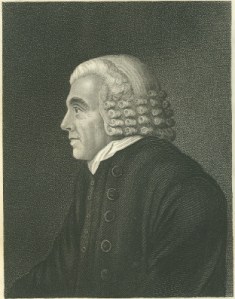
Q. 87 What is repentance unto life?
A. Repentance unto life is a saving grace, whereby a sinner out of a true sense of his sin, and apprehension of the mercy of God in Christ, doth, with grief and hatred of his sin, turn from it unto God, with full purpose of, and endeavor after new obedience.
This catechetical exploration of repentance, written by John Brown of Haddington, helpfully explores the full extent to which Christians should consider when forsaking sin. For most Christians familiar with American Evangelicalism, you will be shocked by thoroughness and intricate consideration given to turning from sin, and turning to God. He considers, in turn: 1) Worldly Sorrow, 2) Legal Repentance, 3) the Grace of Repentance, 4) Five Aspects of Gospel Repentance, 5) New Obedience, and 6) Concluding Observations. Many of us have never thought so deeply about any subject in our lives, much less repentance. May these question and answers provoke deeper and truer repentance in us all.
Q. Why is this mean of salvation called repentance unto life?
A. Because it proceeds from, and is an evidence of spiritual life, and issueth in eternal life.
Continue reading
 Brian J. Lund